
Mushroom species
For each species: where it grows, when the season runs, and how it is told apart from its dangerous lookalikes — by the features that actually separate them, not by general resemblance.
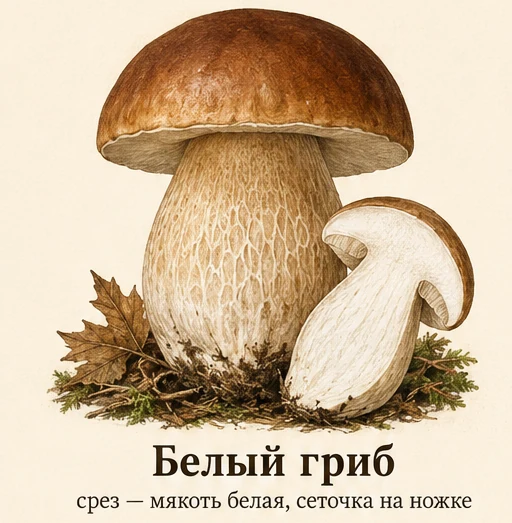
Penny Bun
Boletus edulisA highly prized edible bolete when correctly identified and cooked. The flesh of Penny Bun normally stays white when cut. Any specimen that shows strong blueing or other unexpected colour changes should be checked carefully rather than assumed to be this species. Avoid polluted collecting sites.
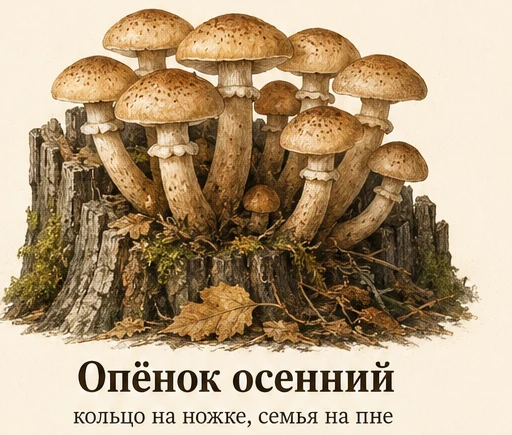
Honey Fungus
Armillaria melleaEaten in some parts of Europe, but only after thorough cooking, and it does not agree with everyone. Raw or undercooked Honey Fungus can cause gastrointestinal illness, and some people react even to cooked mushrooms. It is not suitable for inexperienced foragers because other brown mushrooms grow on the same wood, including the deadly Funeral Bell. Do not use a single feature such as the ring to identify it.
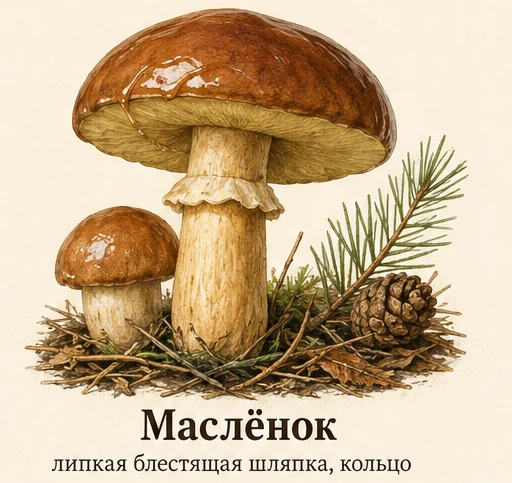
Weeping Bolete
Suillus granulatusEdible when correctly identified and cooked. Some people find Suillus species difficult to digest. Peeling the sticky cap skin is common for texture and preparation, but it should not be treated as a safety test.
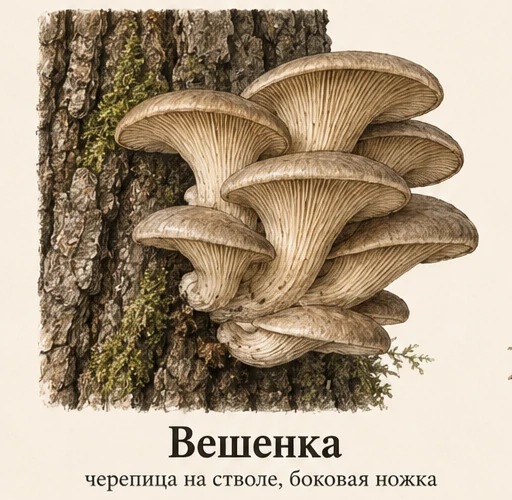
Oyster Mushroom
Pleurotus ostreatusEdible when correctly identified and cooked. In parts of northern Europe and upland Britain it can share habitat with Angel's Wings, a thinner, paler species usually found on conifers. Tree type is an important clue, but it should not be the only check.
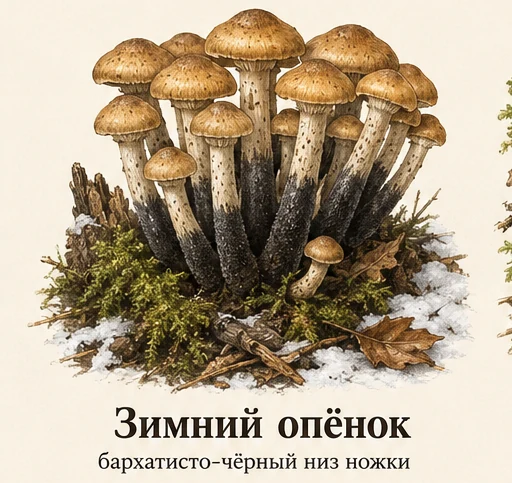
Velvet Shank
Flammulina velutipesEdible when correctly identified and cooked, but it grows on wood alongside other small brown mushrooms, including the deadly Funeral Bell. Velvet Shank usually has no ring and has a dark, velvety lower stem. Funeral Bell often shows rusty-brown spores and a ring zone. These clues are not enough for a beginner to make a safe identification.
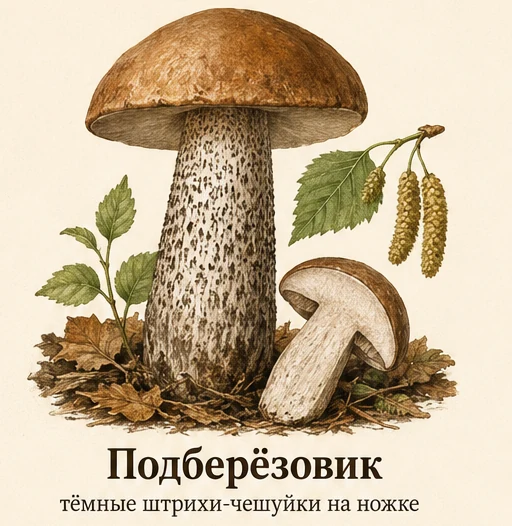
Brown Birch Bolete
Leccinum scabrumEdible when correctly identified and thoroughly cooked. Older specimens become soft and spongy and are often damaged by larvae, so young, firm fruitbodies are preferable.
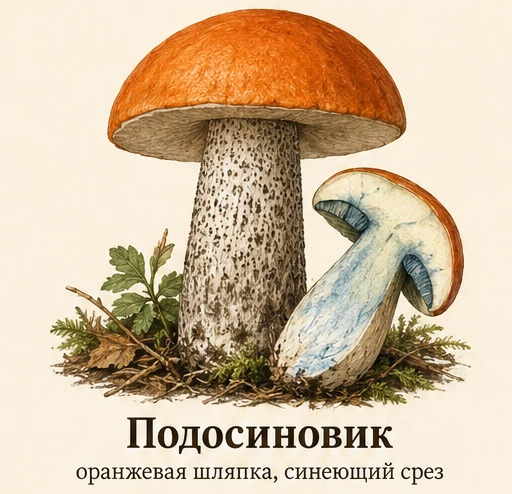
Orange Oak Bolete
Leccinum aurantiacumEdible when correctly identified and thoroughly cooked. The flesh can turn grey, blue-grey or almost black after cutting. This is a normal chemical reaction, not a sign of spoilage.
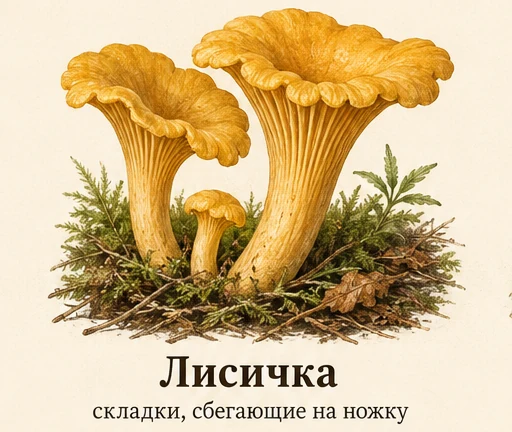
Chanterelle
Cantharellus cibariusEdible when correctly identified and cooked. Look carefully at the underside of the cap. Chanterelles have thick, blunt, forked ridges that run down the stem; they do not have thin, blade-like true gills. Several other yellow or orange mushrooms can be confused with them.

Saffron Milkcap
Lactarius deliciosusEdible when correctly identified. When cut, it produces orange latex that slowly develops greenish tones. This is a useful feature, but do not taste unknown milkcaps as an identification test. Several related Lactarius species can look similar.
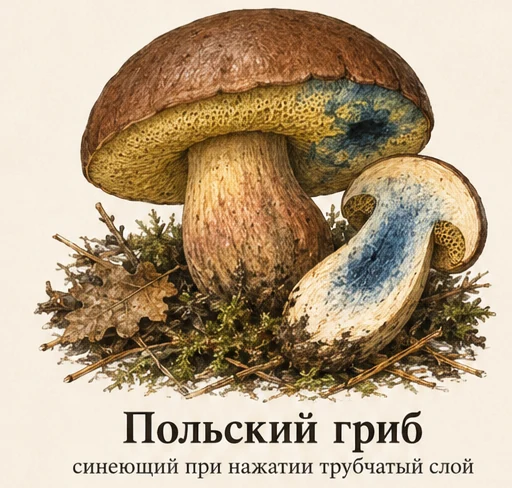
Bay Bolete
Imleria badiaEdible when correctly identified and cooked. The pores and flesh may turn blue when bruised or cut; this is normal. Bay Bolete can accumulate radiocaesium more readily than some other boletes. In areas where local authorities issue advice about radioactive contamination, follow that advice and consider choosing other species. Avoid polluted ground such as roadsides and former industrial sites.
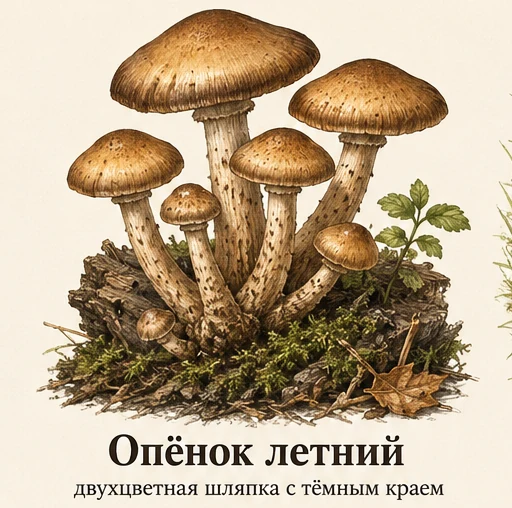
Sheathed Woodtuft
Kuehneromyces mutabilisEdible, but not suitable for beginners. The deadly Funeral Bell (Galerina marginata) can grow on the same wood, at the same time, and can look very similar. The two may even occur close together. Do not rely on photographs or one field mark to separate them.
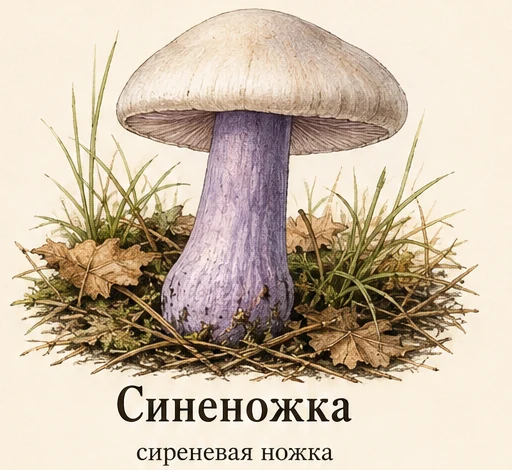
Field Blewit
Collybia personataEdible when correctly identified and thoroughly cooked. Do not eat it raw. Because it often grows in pasture and other open ground, avoid visibly contaminated, heavily treated or roadside sites.
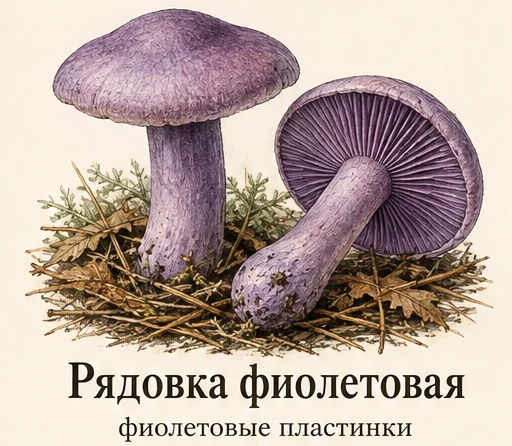
Wood Blewit
Collybia nudaEdible when correctly identified and thoroughly cooked; do not eat it raw. Several violet webcaps can look similar, and some Cortinarius species are seriously poisonous. Rusty-brown spore deposits or a cobweb-like veil are warning signs, but beginners should not use the absence of those features as proof that a mushroom is a Blewit.
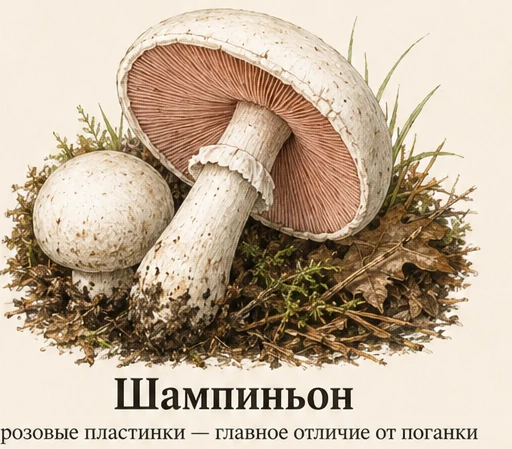
Field Mushroom
Agaricus campestrisA good edible species, but Agaricus identification deserves care. Young Field Mushrooms have pink gills that darken to chocolate brown with age. Deadly Amanitas keep white gills and may have a cup or swollen structure at the base of the stem. Yellow Stainer can also look similar and may turn bright yellow when bruised, often with a chemical or inky smell. Never rely on gill colour alone, and do not eat a specimen unless the whole mushroom has been checked.
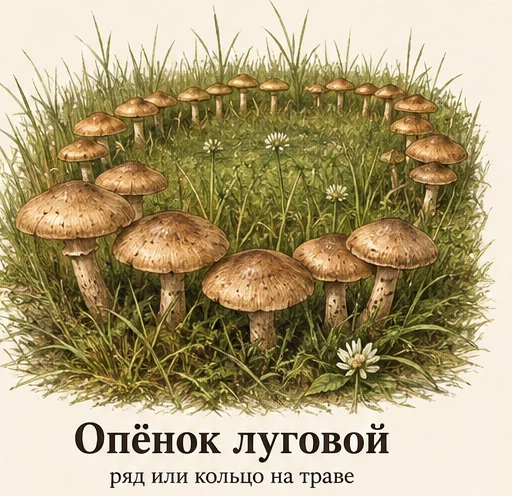
Fairy Ring Champignon
Marasmius oreadesEdible when correctly identified. It can grow in the same grassland as poisonous white funnel mushrooms. The gills of Fairy Ring Champignon are pale and widely spaced; poisonous funnels usually have more crowded gills running down the stem. Do not rely on one feature alone.
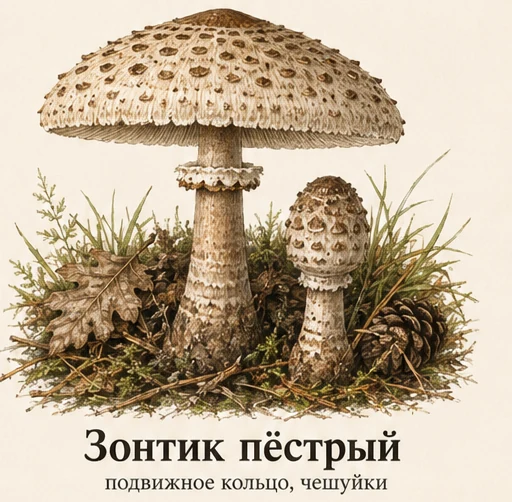
Parasol
Macrolepiota proceraEdible when correctly identified, but young unopened fruitbodies are much harder to identify than mature ones and may be confused with dangerous Amanitas or other parasol-like mushrooms. Beginners should leave immature specimens.

Common Puffball
Lycoperdon perlatumEdible only when young and pure white inside. Cut every specimen in half before taking it for food. A mature puffball becomes yellow, olive or brown inside and should not be eaten. Young Amanitas can look like puffballs from the outside but show the developing cap, gills and stem when cut open. Earthballs have a firm, dark interior and are not edible.

Red Cracking Bolete
Xerocomellus chrysenteronEdible when correctly identified and cooked. The pores and flesh can bruise blue-green. Older fruitbodies become soft quickly and are best left.
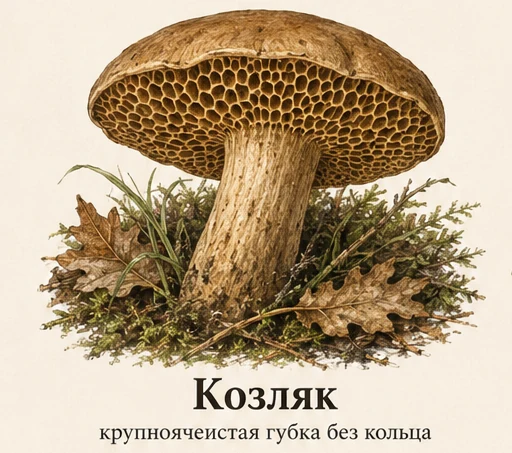
Bovine Bolete
Suillus bovinusEdible when correctly identified and cooked. The flesh may develop pinkish tones during cooking or after bruising; this is not in itself a sign of spoilage. Avoid old, waterlogged or decaying fruitbodies.
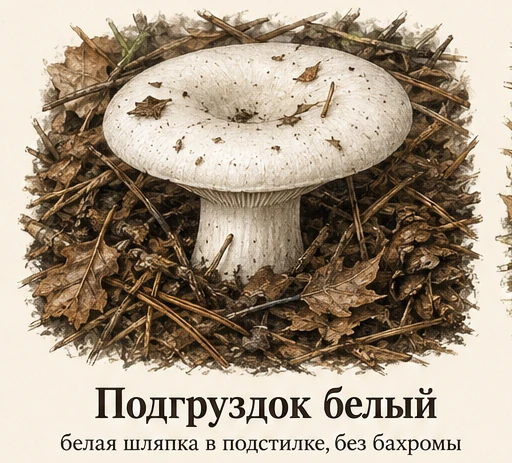
Milk White Brittlegill
Russula delicaEaten in parts of Europe after cooking and often used for preserving. It does not produce latex when broken, unlike true milkcaps. The dry cap and lack of a shaggy margin are useful clues, but these features alone are not enough for a safe identification.

Black Morel
Morchella elataMorels must be cooked thoroughly and should never be eaten raw or undercooked. False morels can be dangerous and may appear at the same time of year. Cut a specimen lengthways as one useful check: true morels are hollow inside, while false morels usually have a more irregular, chambered interior. Do not rely on this feature alone.
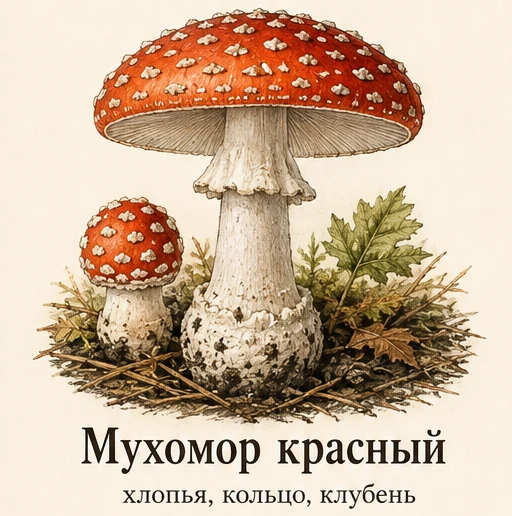
Fly Agaric
Amanita muscariaPoisonous. It contains ibotenic acid and muscimol and can cause nausea, confusion, agitation, drowsiness and other neurological symptoms. The strength varies between fruitbodies, so appearance does not predict toxicity.
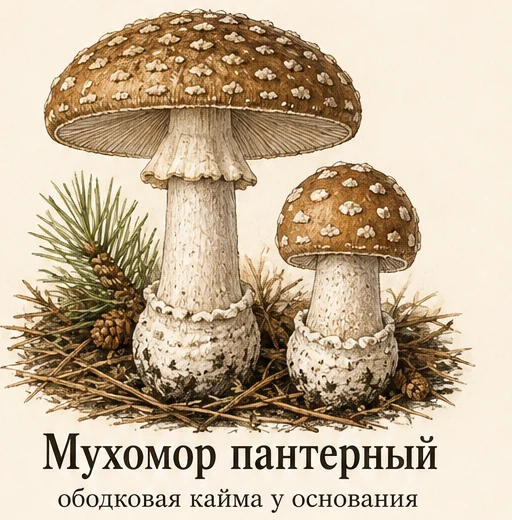
Panthercap
Amanita pantherinaHighly poisonous and potentially fatal. Poisoning can cause severe neurological symptoms and requires urgent medical attention. Panthercap can be confused with the edible Blusher and with young mushrooms of other species. Do not collect it for food.
Orange Birch Bolete
Leccinum versipelleEdible when correctly identified and thoroughly cooked. The flesh may turn blue-grey and then darken after cutting. This colour change is normal for the species.
Stinking Brittlegill
Russula foetensBritish and most western field guides treat this mushroom as inedible. Raw it is acrid and causes stomach upset, and old fruitbodies smell of rancid oil or fish. In Russia, eastern Europe and Scandinavia it is salted, but only after the skin is peeled off and the young unopened buttons are soaked in several changes of water for days and then boiled. Nothing on this page is a recommendation to eat it.
- Protected — do not pick
Hen of the Woods
Grifola frondosaEdible and highly regarded when young. It has a distinctive form, but no wild mushroom should be treated as impossible to confuse. Confirm the identification before eating and check local protection rules.