
Bovine Bolete in Astrakhan Oblast: the week ahead
Suillus bovinus
The map below is built from the measurement network. A 2.5 km grid with a per-species layer is computed for one region so far.
The forecast for Bovine Bolete in this region is unavailable right now.
We do not show invented numbers in place of a real forecast — look again later.
Bovine Bolete in Astrakhan Oblast: where to look
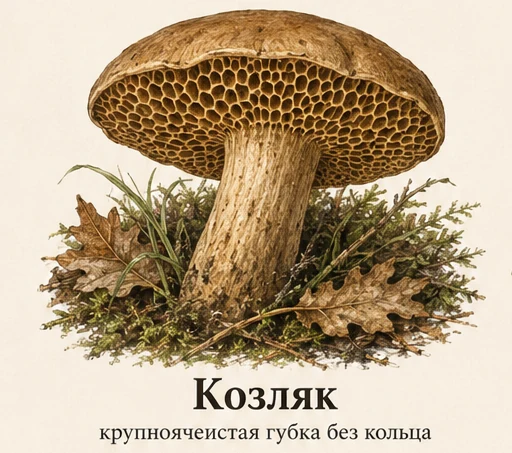
Bovine Bolete: the species in brief
How to tell it
A small to medium bolete with a yellow-brown to reddish-brown cap. The pores are unusually large, angular and often irregular. The stem has no ring.
Where it grows
Closely associated with pine, especially on damp, mossy or peaty ground.
In the kitchen
Best used young. It can be fried, added to soups or preserved. Texture and flavour are milder than in many better-known boletes.
Nutrition
Low in calories and contains a modest amount of protein.
This is a note about the species, not about what is in your basket. Full card with lookalikes →
What else is out here now
The other species in this region, by today's index.
Bovine Bolete in neighbouring regions
A regional boundary means nothing to a mushroom, and the next region is sometimes closer than the far side of your own. The index is for today.