
Orange Oak Bolete in Sakha Republic: the week ahead
Leccinum aurantiacum
The map below is built from the measurement network. A 2.5 km grid with a per-species layer is computed for one region so far.
Flush phase
- Quiet
- Starting
- Building
- Peak
- Fading
Updated 17 September 2026, 11:22 BST
7 days
Index, day by day
Week's best 20 — on Wednesdayaverage 13by the weekend rising
Conditions are poor: even the week's best day only reaches «quiet».
- Today1017 Sept
- Fri1018 Sept
- Sat1219 Sept
- Sun1120 Sept
- Mon1421 Sept
- Tue1522 Sept
- Wed2023 Sept
Numbers are taken at the measurement point nearest the centre of the region — a real calculation at one place, not an average over the area.
Map
Where to look: orange oak bolete
A field over the measurement network. The colour here is for the leading species at each point, not for this one; a per-species layer is computed for one region so far.
Orange Oak Bolete in Sakha Republic: where to look
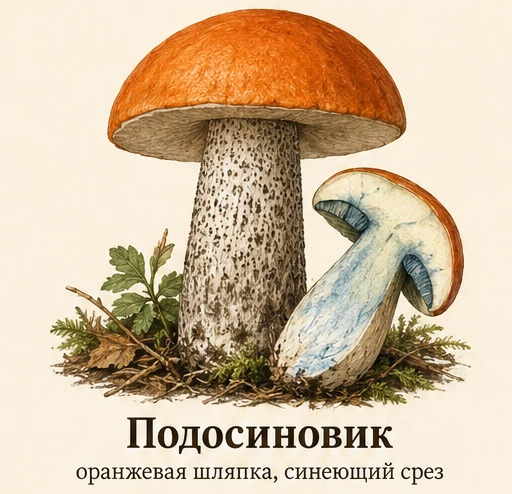
Orange Oak Bolete: the species in brief
How to tell it
A robust bolete with an orange to brick-red cap and a pale stem covered in darker scab-like scales. The cut flesh changes colour.
Where it grows
Associated with broadleaved trees, including aspen, poplar and oak, depending on region and taxonomic treatment.
In the kitchen
Good fried, in soups or preserved. The flesh becomes much darker during cooking.
Nutrition
Low in calories with a modest amount of protein.
This is a note about the species, not about what is in your basket. Full card with lookalikes →
What else is out here now
The other species in this region, by today's index.
Orange Oak Bolete in neighbouring regions
A regional boundary means nothing to a mushroom, and the next region is sometimes closer than the far side of your own. The index is for today.