
Are there mushrooms around Kurchaloy right now
Today's index is 44 out of 100. Poor — something is possible, but do not count on a full basket.
The forecast here is regional — an average over several measurement points — rather than a calculation for this town. The larger the region, the coarser the number. Data from 17 September 2026, 11:22 BST.
Kurchaloy and the country around it
The ring marks Kurchaloy, the dots are the rest of the measurement network in Chechen Republic. The field between points is interpolated; clicking a point opens its town.
Nearest towns
The forecast in these towns can differ — the further away, the more. In brackets, the best edible species today.
The week, species by species
22 species are in season in Chechen Republic right now — ordered by today's index. Another 3 species are out of season: the index reads zero all week.

Boletus edulis
Boletus edulis
Week's best 44 — on Fridayaverage 41by the weekend falling
Conditions are poor: even the week's best day only reaches «slow».
- Today4418 Sept
- Sat4119 Sept
- Sun4320 Sept
- Mon3821 Sept
- Tue3822 Sept
- Wed3923 Sept

Lactarius deliciosus
Lactarius deliciosus
Week's best 40average 38by the weekend steady
Conditions stay poor all week — not worth the trip yet.
- Today4018 Sept
- Sat3819 Sept
- Sun4020 Sept
- Mon3621 Sept
- Tue3622 Sept
- Wed3823 Sept

Imleria badia
Imleria badia
Week's best 40 — on Fridayaverage 37by the weekend falling
Conditions are poor: even the week's best day only reaches «slow».
- Today4018 Sept
- Sat3919 Sept
- Sun4020 Sept
- Mon3421 Sept
- Tue3422 Sept
- Wed3523 Sept
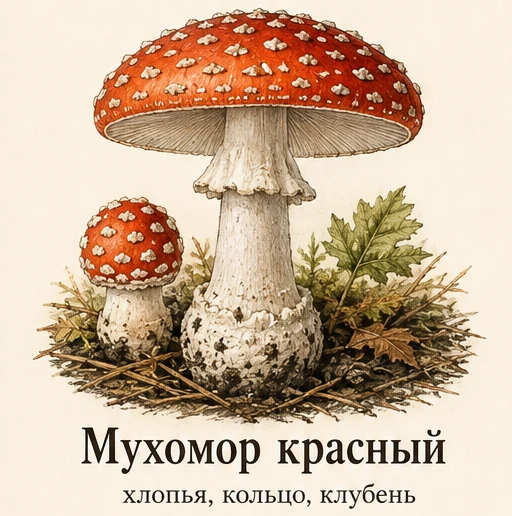
Amanita muscaria
Amanita muscaria
Week's best 41average 38by the weekend steady
Conditions stay poor all week — not worth the trip yet.
- Today3918 Sept
- Sat3719 Sept
- Sun3820 Sept
- Mon3721 Sept
- Tue3722 Sept
- Wed4123 Sept

Leccinum aurantiacum
Leccinum aurantiacum
Week's best 40 — on Wednesdayaverage 37by the weekend steady
Conditions are poor: even the week's best day only reaches «slow».
- Today3718 Sept
- Sat3519 Sept
- Sun3720 Sept
- Mon3621 Sept
- Tue3722 Sept
- Wed4023 Sept

Cantharellus cibarius
Cantharellus cibarius
Week's best 38average 37by the weekend steady
Conditions stay poor all week — not worth the trip yet.
- Today3718 Sept
- Sat3519 Sept
- Sun3820 Sept
- Mon3621 Sept
- Tue3722 Sept
- Wed3823 Sept

Amanita pantherina
Amanita pantherina
Week's best 40 — on Wednesdayaverage 37by the weekend steady
Conditions are poor: even the week's best day only reaches «slow».
- Today3718 Sept
- Sat3519 Sept
- Sun3720 Sept
- Mon3621 Sept
- Tue3622 Sept
- Wed4023 Sept
Leccinum versipelle
Leccinum versipelle
Week's best 40 — on Wednesdayaverage 37by the weekend steady
Conditions are poor: even the week's best day only reaches «slow».
- Today3718 Sept
- Sat3519 Sept
- Sun3720 Sept
- Mon3621 Sept
- Tue3722 Sept
- Wed4023 Sept

Macrolepiota procera
Macrolepiota procera
Week's best 46 — on Wednesdayaverage 40by the weekend rising
Conditions are poor: even the week's best day only reaches «slow».
- Today3618 Sept
- Sat3419 Sept
- Sun3820 Sept
- Mon4121 Sept
- Tue4222 Sept
- Wed4623 Sept

Xerocomellus chrysenteron
Xerocomellus chrysenteron
Week's best 39 — on Wednesdayaverage 36by the weekend steady
Conditions are poor: even the week's best day only reaches «slow».
- Today3618 Sept
- Sat3419 Sept
- Sun3620 Sept
- Mon3521 Sept
- Tue3622 Sept
- Wed3923 Sept
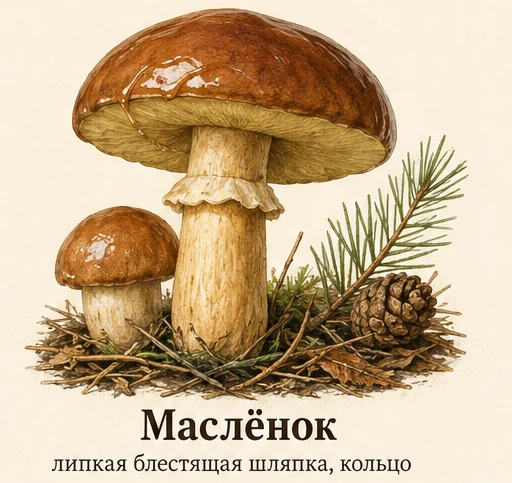
Suillus granulatus
Suillus granulatus
Week's best 48 — on Wednesdayaverage 40by the weekend rising
Conditions are poor: even the week's best day only reaches «slow».
- Today3518 Sept
- Sat3419 Sept
- Sun3820 Sept
- Mon4121 Sept
- Tue4222 Sept
- Wed4823 Sept

Lactarius resimus
Lactarius resimus
Week's best 35 — on Fridayaverage 30by the weekend falling
Conditions are poor: even the week's best day only reaches «slow».
- Today3518 Sept
- Sat3219 Sept
- Sun3220 Sept
- Mon2721 Sept
- Tue2722 Sept
- Wed2823 Sept
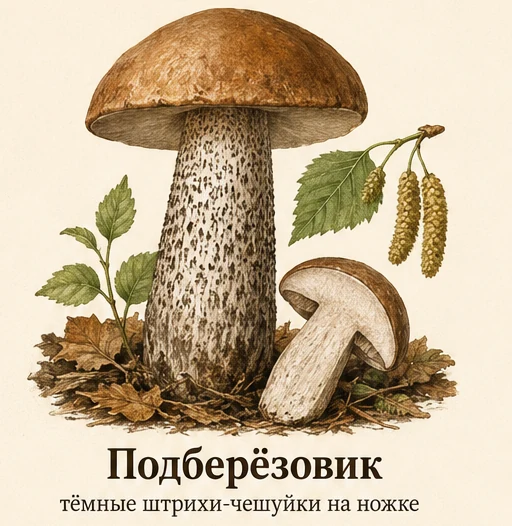
Leccinum scabrum
Leccinum scabrum
Week's best 41 — on Wednesdayaverage 36by the weekend rising
Conditions are poor: even the week's best day only reaches «slow».
- Today3418 Sept
- Sat3319 Sept
- Sun3520 Sept
- Mon3621 Sept
- Tue3622 Sept
- Wed4123 Sept

Agaricus campestris
Agaricus campestris
Week's best 46 — on Wednesdayaverage 40by the weekend rising
Conditions are poor: even the week's best day only reaches «slow».
- Today3418 Sept
- Sat3419 Sept
- Sun4020 Sept
- Mon4421 Sept
- Tue4422 Sept
- Wed4623 Sept

Marasmius oreades
Marasmius oreades
Week's best 44 — on Wednesdayaverage 39by the weekend rising
Conditions are poor: even the week's best day only reaches «slow».
- Today3418 Sept
- Sat3219 Sept
- Sun4020 Sept
- Mon4221 Sept
- Tue4322 Sept
- Wed4423 Sept
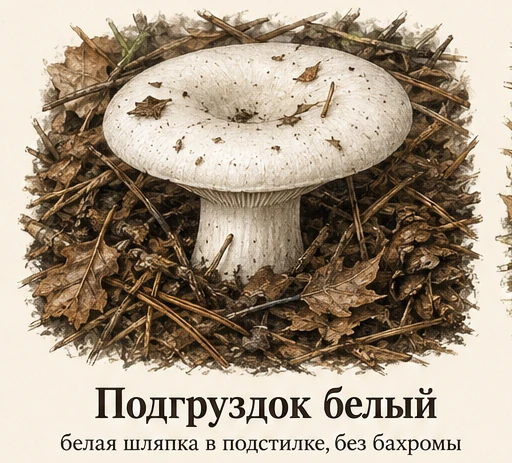
Russula delica
Russula delica
Week's best 34average 33by the weekend steady
Conditions stay poor all week — not worth the trip yet.
- Today3418 Sept
- Sat3319 Sept
- Sun3420 Sept
- Mon3121 Sept
- Tue3122 Sept
- Wed3423 Sept

Armillaria mellea
Armillaria mellea
Week's best 39 — on Wednesdayaverage 33by the weekend rising
Conditions are poor: even the week's best day only reaches «slow».
- Today3218 Sept
- Sat3019 Sept
- Sun3220 Sept
- Mon3321 Sept
- Tue3422 Sept
- Wed3923 Sept

Lycoperdon perlatum
Lycoperdon perlatum
Week's best 44 — on Wednesdayaverage 38by the weekend rising
Conditions are poor: even the week's best day only reaches «slow».
- Today3218 Sept
- Sat3219 Sept
- Sun3820 Sept
- Mon4121 Sept
- Tue4222 Sept
- Wed4423 Sept
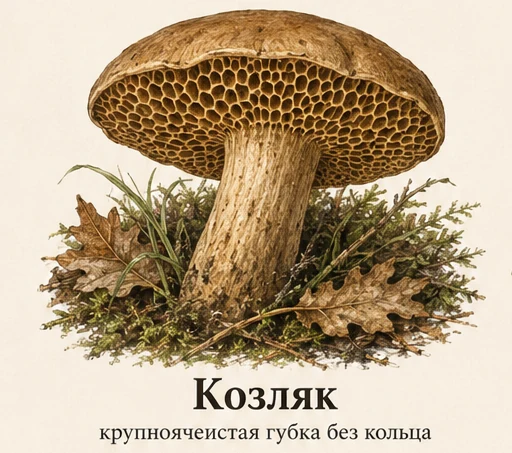
Suillus bovinus
Suillus bovinus
Week's best 35 — on Wednesdayaverage 32by the weekend steady
Conditions are poor: even the week's best day only reaches «slow».
- Today3218 Sept
- Sat3019 Sept
- Sun3220 Sept
- Mon3021 Sept
- Tue3122 Sept
- Wed3523 Sept

Kuehneromyces mutabilis
Kuehneromyces mutabilis
Week's best 42 — on Wednesdayaverage 35by the weekend rising
Conditions are poor: even the week's best day only reaches «slow».
- Today3018 Sept
- Sat3019 Sept
- Sun3420 Sept
- Mon3821 Sept
- Tue3822 Sept
- Wed4223 Sept
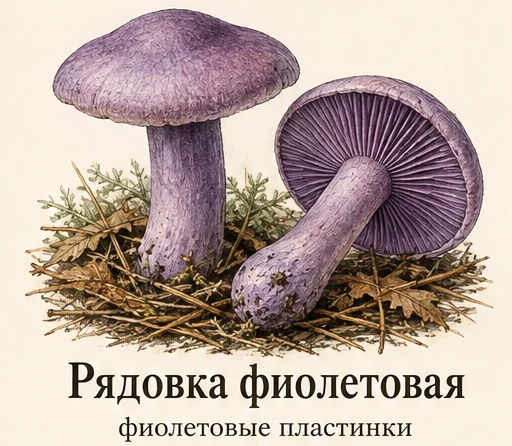
Collybia nuda
Collybia nuda
Week's best 40 — on Wednesdayaverage 32by the weekend rising
Conditions are poor: even the week's best day only reaches «slow».
- Today2718 Sept
- Sat2619 Sept
- Sun3020 Sept
- Mon3321 Sept
- Tue3422 Sept
- Wed4023 Sept
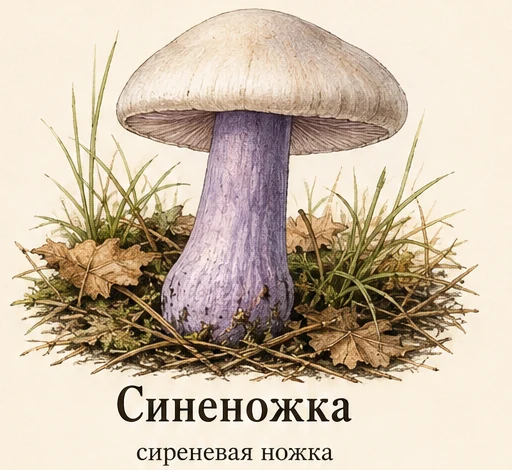
Collybia personata
Collybia personata
Week's best 35 — on Wednesdayaverage 27by the weekend rising
Conditions are poor: even the week's best day only reaches «slow».
- Today2318 Sept
- Sat2219 Sept
- Sun2520 Sept
- Mon2921 Sept
- Tue3022 Sept
- Wed3523 Sept
Boletus edulis near Kurchaloy: where to look
Boletus edulis: the species in brief
How to tell it
A heavy, solid bolete with a brown cap and a thick stem. Near the top of the stem is a pale, raised net-like pattern. The pores are white when young, then become yellowish and finally olive with age.
Where it grows
With pine, spruce, oak, beech and other host trees, in woodland and along rides and clearings. Widespread across Europe.
In the kitchen
Excellent fried and especially good dried. Drying concentrates its aroma, which is why dried porcini are widely used in stocks, sauces and risotto.
Nutrition
Around 30 kcal per 100 g fresh is a useful rough guide, but values vary. Drying greatly concentrates both nutrients and calories.
This is a note about the species, not about what is in your basket. Full card with lookalikes →
Been out in Kurchaloy? Tell us how it went
No sign-up, five seconds. Reports are visible to everyone and help us check the forecast — where people say “nothing out there” and the model promises a flush, the model is wrong.
Common questions
Are there mushrooms in Kurchaloy in September 2026?
Today's foraging index is 44 out of 100. It is built from two weeks of rainfall, soil temperature, the length of the dry spell and each species' season, and it updates daily.
Which mushrooms are picked around Kurchaloy?
There are too few records for this region to name species yet. We will not list them «from the field guide»: an unconfirmed list looks exactly like a confirmed one and is worth something else entirely.
How accurate is this forecast?
It is a model of weather and season, not an observation of the wood. It answers «is this week worth a trip» well, and it does not know what is growing round the next bend. We measure its accuracy against independent records and publish the result — without that number a forecast stays a promise.
The index is high but I found nothing — why?
The index reads weather and season — things that are the same for tens of kilometres around. It does not know your particular wood, and that is where the mushroom grows. The usual reasons: wrong trees — every species has its own, and no weather makes up for the wrong stand; the wood was felled recently or is young — the mycelium takes years to recover; the spot is picked out — everything near a road or a car park goes over a weekend; the flush has been taken — you came a day after those who came on time; or the flush passed and slugs and larvae got there first, which the model cannot see. The reverse holds too: a low index does not mean an empty wood. It means the conditions are against you, not that there is nothing there.